

Mastering Food Safety in Missoula: Essential Habits for a Healthier Home Kitchen |
Discover practical food safety strategies to protect your family amid rising local concerns |
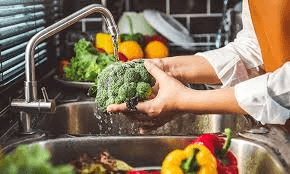
In the heart of Missoula, where community gatherings and home-cooked meals define our lifestyle, prioritizing food safety has never been more crucial.
Recent reports highlight a troubling spike in foodborne illnesses across the nation, with hospitalizations doubling in 2024 due to outbreaks like those involving contaminated cucumbers and deli meats.
Locally, health officials in Missoula have issued warnings about risks such as raw milk contamination from area farms, reminding us all to stay vigilant.
As we navigate these challenges, building strong food safety routines at home can make all the difference in keeping our kitchens secure and our loved ones well.
Begin by focusing on hygiene fundamentals that prevent harmful bacteria from spreading.
Always scrub your hands thoroughly for at least 20 seconds using soap and warm water, especially when switching between raw ingredients.
Designate separate cutting surfaces for meats and vegetables to avoid cross-contamination, a common culprit in food-related sicknesses.
Temperature control plays a starring role in safe cooking practices.
Invest in a reliable thermometer to confirm that chicken reaches 165 degrees Fahrenheit, while steaks and fish hit 145 degrees.
Remember, perishable items left at room temperature for over two hours invite trouble, so refrigerate promptly and reheat to that safe 165-degree mark.
Your refrigerator deserves regular attention too—set it below 40 degrees Fahrenheit and the freezer at zero to slow bacterial growth effectively.
A monthly check of these settings, combined with organizing shelves to prevent drips from raw meats, aligns with guidelines from Missoula Public Health experts.
Stay ahead of spoilage by respecting storage limits: fresh poultry keeps for only one or two days chilled, and prepared dishes should be consumed within three to four days.
Incorporating a weekly fridge audit not only reduces waste but also ties into community efforts like the recent Can the Cats food drive at the University of Montana, which emphasized safe food handling during collections.
With Thanksgiving behind us, let's recall the fire district's advice on preventing kitchen blazes while cooking holiday feasts, blending food safety with overall home security.
Amid increased demand at the Missoula Food Bank following SNAP program pauses, ensuring donated items meet safety standards becomes even more vital for our neighbors.
Embracing these habits transforms food safety from a chore into a seamless part of Missoula's vibrant culinary scene.
By staying informed through local resources and events, we foster healthier homes and stronger community ties.
FAQ: What are key food safety tips for Missoula residents?
Focus on handwashing, proper temperatures, and separate tools to prevent contamination.
How have recent events in Montana affected food safety awareness?
Outbreaks and warnings, like those on raw milk, have heightened the need for vigilant practices statewide. |
0 Comments
Join the conversation
Be the first to comment
Share your thoughts above.